


A New Breakthrough in Stroke Recovery: Scientifically Validated Neurorestoration Technology
Real Challenges Faced by Stroke Patients
Are you or your loved ones experiencing:
Limb mobility impairment, difficulty walking, loss of fine motor skills?
Memory decline, inability to concentrate, slowed thinking?
Speech difficulties, swallowing problems, communication barriers?
Emotional lows, anxiety, depression, poor sleep quality?
Slow progress and limited results with traditional rehabilitation?
Seeking safe and effective non-pharmacological adjunctive treatment options?
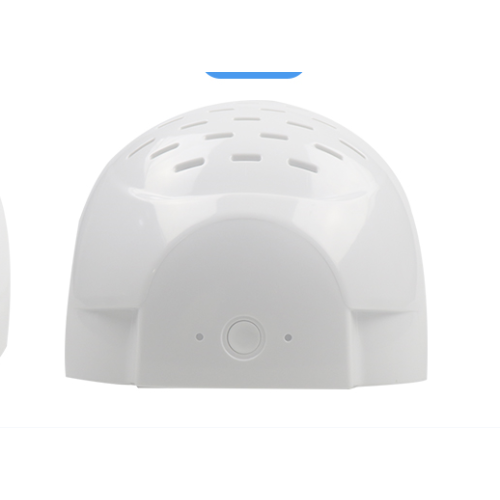
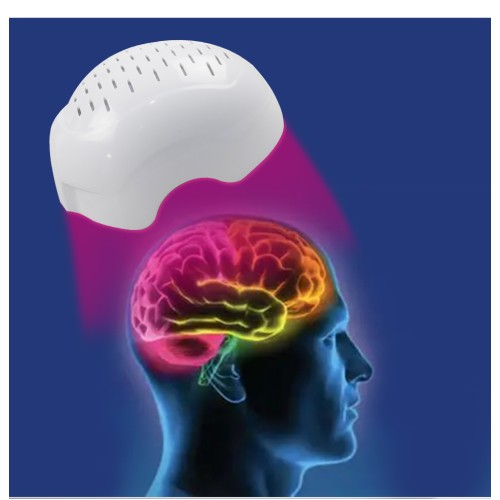
COZING-C320A Brings You Hope—featuring 810nm+650nm dual-wavelength phototherapy technology based on NEST-1/NEST-2 clinical research, providing scientific support for post-stroke neurological function recovery.
Clinically Validated Treatment Efficacy
Key Research Data Support
NEST-1 Study: 120 patients, 70% good prognosis at 90 days post-treatment (vs. 51% control group)
NEST-2 Study: 660 patients, significant improvement in moderate-to-severe patients (p<0.04)
Treatment Window: Best results when initiated within 24 hours in acute phase
Quadruple Scientific Action Mechanism
Mitochondrial Energization: 810nm light penetrates skull, increases ATP production by 50-200%
Neuroprotection: Reduces inflammatory factors, inhibits apoptosis
Angiogenesis: Promotes collateral circulation establishment, improves cerebral blood flow
Neural Remodeling: Enhances synaptic plasticity, promotes functional reorganization
Personalized Treatment Protocols
Phase 1: Acute Phase (Days 1-14 post-onset)
Goal: Neuroprotection, reducing secondary damage
Parameters: 810nm primary wavelength, 10Hz, 25-50% intensity, 1-2 times daily
Focus: Full-brain coverage + enhanced contralateral lesion treatment
Phase 2: Recovery Phase (Days 15-90)
Goal: Functional recovery, neural remodeling
Parameters: Dual-wavelength synergy, 20-30Hz, 50-75% intensity
Personalized Settings:
Motor Impairment: Focus on regions 3-4, use before physical therapy
Cognitive Impairment: Focus on regions 1-2, use before cognitive training
Speech Impairment: Enhanced Broca's area treatment
Phase 3: Maintenance Phase (90+ days)
Goal: Functional consolidation, relapse prevention
Parameters: 10-40Hz alternating, 50-60% intensity, 3-4 times weekly
Home Rehabilitation: Simplified operation for long-term adherence
Technical Specifications and Advantages
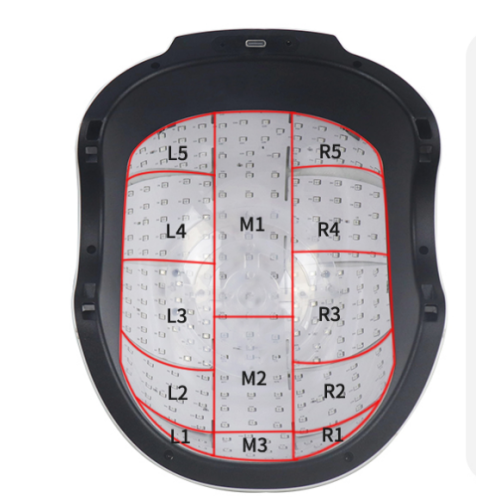
12-Brain-Region Precision Modulation
Zoned Treatment Design:
Frontal Regions (1-4): Motor, executive function, emotion
Parietal Regions (5-6): Sensation, spatial cognition
Temporal Regions (7-8): Memory, auditory
Occipital Regions (9-10): Visual processing
Limbic System (11-12): Emotion, autonomic function
Core Specifications
| Parameter | Specification |
|---|---|
| Wavelength | 810nm + 650nm Dual Wavelength |
| Frequency Range | 1-20,000Hz Adjustable |
| Default Frequency | 30Hz (Clinically Optimized) |
| Treatment Duration | 0-30 Minutes Programmable |
| Intensity Levels | 4 Levels (25%/50%/75%/100%) |
| Control Methods | Manual + Wireless Remote |
| Nasal/Ear Accessories | Includes nasal irradiation attachments |
| Safety Class | Laser Class 1M |
Six Major Advantages
Clinically Validated: Based on NEST series research protocols
Precise Targeting: 12 independent zone control
Dual-Wavelength Synergy: Deep treatment + surface repair
Safe & Non-Invasive: Pain-free, no side effects
Easy Operation: Suitable for home and professional settings
Personalized Protocols: Customized for different phases
Standard Operating Procedure
Assessment Phase
Professional evaluation (NIHSS scoring, imaging examination)
Develop personalized protocol
Identify key treatment areas
Treatment Phase
Device preparation and cleaning
Patient comfortable positioning
Set treatment parameters
Initiate treatment program
Real-time response monitoring
Optimization Phase
Weekly functional assessment
Monthly protocol adjustment
Long-term efficacy tracking
Safe Usage Guidelines
Indications
Ischemic stroke rehabilitation
Hemorrhagic stroke recovery
TIA (Transient Ischemic Attack)
Post-stroke complication management
Contraindications
Active intracranial hemorrhage
Severe intracranial hypertension
Photosensitive epilepsy
Intracranial malignant tumors
Safety Principles
Professional guidance required for initial use
Start with low intensity
Close response observation
Regular assessment and adjustment
Frequently Asked Questions
Q1: When is the best time to start treatment?
A: Best within 24 hours in acute phase, but still effective when started in subacute and chronic phases.
COZING-C320A Professional Stroke Rehabilitation Laser Phototherapy System
- Brand: COZING
- Product Code: COZING-C320A
- Availability: In Stock
-
$3,899.00
- Ex Tax: $3,899.00